


Low Carb, High Protein Vegetarian Indian Meals You’ll Love
Why Low Carb, High Protein Indian Meals Can Transform Your Veggie Game
So, we all want meals that actually fill us up, don’t put us in a post-lunch nap spiral, and still taste like something you’d order in a restaurant, right? Here’s where low carb, high protein vegetarian Indian food comes barging in. We’re talking steady energy, a real shot at hitting those macros, and—seriously—a way to stay on top of your health goals without feeling like you’re eating sad rabbit food. The best part? Indian flavors pack a punch, so you never feel like you’re missing out.[1]
But most folks trip up by tossing in way too much rice, dumping in oil, or clinging for dear life to packaged stuff. Been there, done that. Let’s fix it.
How to Build Balanced Indian Dishes Without Sacrificing Flavor
Choosing Your Protein Base: Paneer, Tofu, and Beyond
Start with your MVPs: paneer, tofu, lentils, or even whole masoor dal. They’re the backbone—bringing anywhere from 8 to 23 grams of protein per serving, without blowing up your calorie count (most dishes sit pretty under that 350 kcal line).[1][2] Paneer is the classic, but don’t sleep on tofu or legumes. Bonus: they soak up spice like a charm.
Picking Veggies and Spices That Keep Carbs in Check
Here’s where you can play. Skip the potatoes and peas when carbs matter—bring in okra, spinach, mushrooms, eggplant, or even zucchini. These add fiber and keep things vibrant without sending your carbs sky-high. Load up on fresh ginger, garlic, cumin, turmeric...you get the idea.
Trust me, nobody craves a plain old salad after a bowl of bhindi bhaji.
Cooking Techniques That Make Healthy Indian Food Easy (and Delicious)
The Subtle Power of Ceramic Pans for Everyday Indian Cooking
I’m not here to sell you on some pan miracle, but ceramic pans just make life so much easier. Their non-stick surface needs less oil—like, way less. Your precious cubes of paneer and tofu don’t stick, veggies don’t scorch, and cleaning up is almost fun (almost). Plus, they heat things evenly. The reality is, I can slow-simmer a curry or nail a stir-fry, and everything just behaves itself compared to cast iron or old teflon.[3]
No drama, less oil, happy me. Here is showcasing Asai's Ceramic Collection.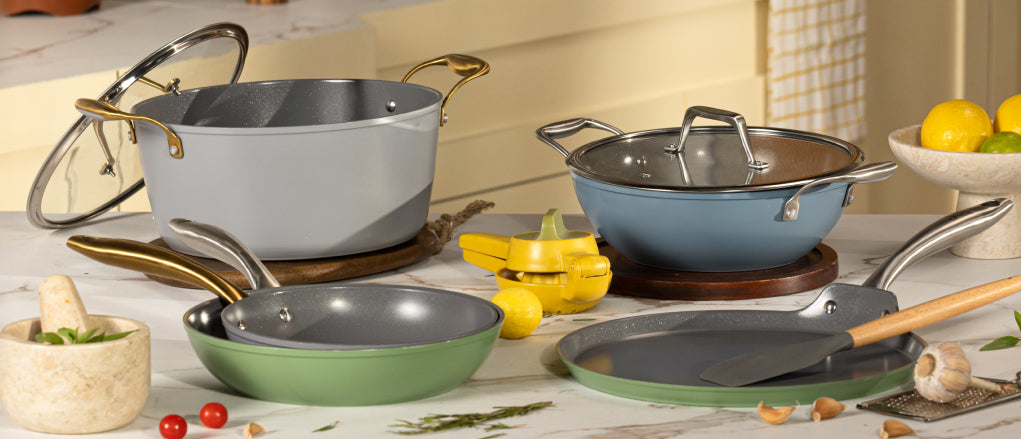
Smart Cooking Tips: Avoid the Most Common Mistakes
- Pat veggies dry before cooking—no one likes slimy okra.
- Level up protein by throwing in a handful of lentils or swapping in tofu.
- Watch the clock! Paneer dries out fast—pull it early, keep it juicy.
- Don’t skip “tadka” (or tempering)—heating whole spices in oil is a game-changer, even if you’re using just a teaspoon.
- And, whatever you do, don’t drown your dish in oil just to keep it from sticking. Ceramic pans solve that for you.
Meal Prep, Leftovers, and Quick Snacks: Making It Work in Real Life
Meal planning isn’t some mythical unicorn—it’s doable! Batch-cook things like whole masoor dal, veggie vindaloo (use zucchini instead of potatoes), or mushroom masala.[1] They’ll last 3–4 days. Serve ‘em with cauliflower rice or just call it a soup.
Got a snack attack? Whip up TVP (textured veg protein) crumbles with Indian spices—done in 5, over 16g protein, and satisfying.[2] And don’t stress, reheating leftovers in a ceramic pan is super quick and nothing sticks.
Real Answers to Your Most Common Questions About High Protein Vegetarian Indian Dishes
Q: Can I get enough protein without meat or eggs?
A: Yep, totally possible! Paneer or tofu can give you 15–20g protein per serving, lentils or legumes bring 7–12g.[1][2] Combine ‘em creatively, and you’re golden.
Q: How do I keep carbs low without sacrificing taste?
A: Stick with non-starchy veggies, paneer, tofu, and lentils. Swap rice for cauliflower rice or zucchini noodles. Classics like mushroom masala or okra bhaji already fit the bill.[3]
Q: Are ceramic pans really worth it for Indian recipes?
A: Yes. They need less oil, prevent sticking, and cook things evenly—especially if you’re dealing with sticky stuff like paneer, tofu, or saucy veggies. Plus, they’re easier to clean than pretty much anything else.
Q: What’s a quick high-protein, low-carb Indian snack?
A: TVP crumbles with Indian spices is my go-to. Done in five minutes, packs 16g of protein, and will keep you satisfied.[2] Easy win.
Conclusion
If you ask me, low carb, high protein vegetarian Indian food is one of life’s biggest flavor flexes—you get all the comfort and soul of Indian cuisine, but you’re also looking after yourself (without it feeling like punishment). Play with whole ingredients, get acquainted with your ceramic pan, and you’ll see: everything tastes better and is way easier to make.
You don’t have to sacrifice—just start with one recipe, see how it goes, and let your cooking get a little bolder (and a whole lot simpler).
Ready to shake up your meals? Seriously, grab your ceramic pan and get cooking. You might even surprise yourself.
FAQs
A: Absolutely! With ingredients like paneer, tofu, and lentils, it’s totally doable to hit your protein goals—no meat or eggs needed.
A: Stick with options like spinach, okra, mushrooms, and eggplant—they add fiber, flavor, and keep your carbs in check.
A: Not at all, but a ceramic pan makes things easier—less oil, no sticking, and cleanup is a breeze (especially when working with paneer or tofu).
Sources:
- Pickyeaterblog – pickyeaterblog.com
- Hurrythefoodup – hurrythefoodup.com
- Ministry of Curry – ministryofcurry.com
- Awesome Cuisine – awesomecuisine.com
- Indian Veggie Delight – indianveggiedelight.com
- YouTube, Ministry of Curry – youtube.com


